The Australian home construction industry is experiencing significant changes driven by sustainability, technologyand evolving design preferences.
Builders are increasingly incorporating eco-friendly materials and energy-efficient features to meet growing environmental demands. At the same time, smart home technologies are becoming standard, transforming how homes operate and enhance everyday living.
In 2025, the key trends shaping Australian home construction include sustainable building practices, the integration of smart technologyand flexible, open-plan designs. These trends reflect broader shifts in consumer priorities and government incentives targeting greener, smarter, and more adaptable homes. The rise in approvals for new dwellings also indicates ongoing demand and innovation within the residential sector.
With government investments and private sector initiatives driving infrastructure growth, the construction landscape remains dynamic. This blend of technology, design innovation and sustainability sets a clear direction for Australian home construction in the coming years.
Emerging building materials
New building materials in Australian home construction integrate sustainability with performance. These materials focus on reducing environmental impact while meeting structural and aesthetic demands. They include advanced timber products, recycled componentsand innovative composites.
Sustainable timber and engineered wood
Sustainable timber is sourced from responsibly managed forests certified for minimal environmental impact. Engineered wood products, such as cross-laminated timber (CLT) and laminated veneer lumber (LVL), offer enhanced strength and stability compared to traditional timber.
These products are popular for their lightweight nature, better fire resistanceand reduced waste during construction. They also enable fast on-site assembly and improved thermal performance.
Builders prefer engineered wood for its versatility in walls, floors,and roofs while supporting the push for renewable and carbon-friendly materials in residential builds.
Recycled and reclaimed materials
The use of recycled and reclaimed materials is increasing to lower construction waste and carbon footprint. Common examples include recycled steel, repurposed bricksand reclaimed timber.
Recycled steel reduces the demand for virgin metal, significantly cutting energy consumption during production. Reclaimed bricks add character while minimising landfill waste.
Reclaimed timber can retain strength and aesthetics, suitable for flooring and feature walls. These materials support circular economy principles and often come with certifications verifying their origin and quality.
Hempcrete blocks
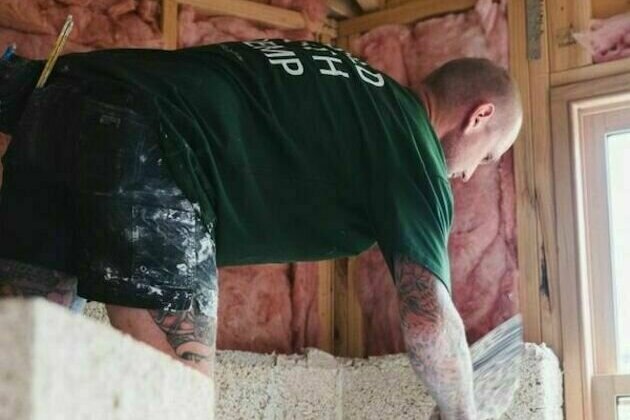
Hempcrete blocks consist of hemp fibres mixed with lime-based binders, creating a lightweight, insulating material. Thishemp-based building materialoffers excellent thermal regulation and moisture control properties, which contribute to healthy indoor environments.
Hempcrete is also carbon-negative; hemp plants absorb large amounts of CO during growth, offsetting emissions associated with block production. These blocks are fire-resistant, pest-resistant and promote breathability within wall structures.
While not load-bearing, hempcrete is commonly used as infill in timber-framed walls in sustainable homes, making it a popular choice for energy-efficient and eco-conscious construction projects.
Architectural design developments
Modern Australian homes are increasingly prioritising adaptability, energy efficiencyand clean aesthetics. Design choices reflect these aims, focusing on enhancing everyday living while responding to environmental considerations.
Open plan and flexible layouts
Open plan designs remain fundamental in new homes, promoting a sense of space and improved natural light. These layouts combine kitchen, dining, and living areas into one continuous space, encouraging social interaction and fluid movement.
Flexibility is key. Walls and partitions are often minimised, but modular elements like sliding doors or movable panels provide options to reconfigure spaces as needed. This adaptability suits changing family dynamics and remote work requirements.
Materials and finishes in these open areas are typically neutral and durable, supporting practical yet modern living environments. The design also integrates indoor-outdoor flow, with large glass panels or bi-fold doors linking to verandahs or gardens.
Double glazed windows
Double glazing has become a standard feature in new Australian homes for its thermal and acoustic benefits. By reducing heat transfer, it improves energy efficiency and lowers heating and cooling costs.
This technology also enhances indoor comfort by minimising noise from outside, especially in urban or coastal areas.Double-glazed sliding windowssupport sustainability goals, aligning with stricter building codes.
Installation includes careful consideration of frame materials, often aluminium or timber, offering longevity and aesthetic appeal. Many designs incorporate low-emissivity coatings to increase insulation performance without compromising natural light.
Shower screens
New shower screen fittingsin Australian homes now focus on minimalist design and ease of maintenance. Frameless glass screens are preferred for their clean lines and ability to make bathrooms feel larger.
Safety features such as toughened glass and secure fittings are standard, ensuring durability. Some models include anti-fog or water-repellent coatings to reduce cleaning frequency.
Custom sizes and clear or frosted glass options allow homeowners to tailor screens to different bathroom layouts and privacy needs. The trend leans towards seamless integration with tiles and fixtures, complementing modern bathroom aesthetics.
Technological innovations in home construction
Advanced technology is shaping the way homes are built and lived in Australia. From automation to new building methods, these innovations improve efficiency, comfortand sustainability.
Smart home automation
Smart home automation integrates devices that communicate and respond to homeowner needs. Systems control lighting, heating, securityand appliances remotely or automatically.
Australian homes often use central hubs or apps, allowing residents to adjust settings by voice or smartphone. This technology enhances convenience and can reduce energy waste by optimising usage patterns.
Security features include automated locks, surveillance camerasand motion sensors. The ability to monitor homes remotely provides peace of mind, especially in high-risk areas.
Smart home systems also support integration with renewable energy sources like solar panels, allowing for better energy management.
Prefabricated and modular techniques
Prefabricated and modular construction methods involve assembling sections of a home offsite before final installation. This reduces construction time and waste significantly.
In Australia, these techniques are gaining attention due to their cost-effectiveness and quality control. Factory-built modules ensure consistent standards, minimising onsite errors.
The approach supports sustainability by lowering material wastage and energy consumption during construction. Homes can be customised within prefabricated frameworks to suit diverse styles and needs.
Builders report faster project completion and fewer disruptions, especially in urban or remote areas where traditional building is more challenging.
Energy efficiency systems
Energy efficiency is a priority in new Australian homes, driven by regulation and homeowner demand. These systems reduce electricity use and greenhouse emissions.
Key features include high-performance insulation, double-glazed windows and energy-efficient HVAC units. Smart thermostats adjust climate settings based on occupancy and weather.
Solar energy integration is common, with battery storage allowing excess power to be stored or sold back to the grid. Water saving devices like rainwater tanks and efficient fixtures are also standard.
Installing these systems can lower ongoing costs and increase property value by meeting or exceeding energy rating benchmarks such as NatHERS.
Smart pet doors
Smartpet doors installed in existing glassprovide controllable access for pets while enhancing home security. These doors use sensors, microchips, or collar tags to identify and permit entry only to registered animals.
In Australian homes, this technology prevents unwanted animals from entering, reducing pest risks and enhancing pet safety. Owners can track door use remotely through smartphone apps.
Some models include locking schedules and activity logs, offering greater control over pet movements. Smart pet doors contribute to a more connected and secure household environment.



 Share
Share
 Tweet
Tweet
 Share
Share
 Flip
Flip
 Email
Email